
Introduction
Have you ever wondered, “Why does food keep getting stuck between my teeth?” This is a common problem for many people. While it may seem minor, it can lead to discomfort and even dental issues. Often, food impaction can cause bad breath, gum irritation, or even tooth decay. Because of this, understanding the reasons behind food getting stuck is important for your oral health. In this blog, we will explore the causes, symptoms, and solutions for this dental concern.
Common Reasons Food Gets Stuck Between Teeth
There are several reasons why food might get trapped between your teeth. Sometimes, it is due to the shape or spacing of your teeth. Other times, it can be a sign of dental problems. For example, loose fillings or gum disease can create gaps where food collects. Here are some common causes:
Additionally, eating sticky or fibrous foods, like popcorn or meat, can make the problem worse.
Symptoms and Warning Signs
Sometimes, you may notice food stuck right away. Other times, the signs are less obvious. However, it is important to watch for these symptoms:
For example, if you often feel discomfort after meals, it could be a sign of a dental issue. Over time, trapped food can lead to infection or tooth decay if not addressed.
How Dentists Diagnose the Problem
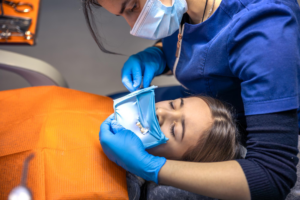
When you visit a dentist, they will start by asking about your symptoms. Next, they will examine your mouth for signs of food impaction or gum disease. Dentists may use dental tools to check for gaps, loose fillings, or cavities. In some cases, they might take X-rays to see hidden problems. Because early diagnosis is important, regular dental check-ups help catch these issues before they get worse.
Effective Solutions and Treatments
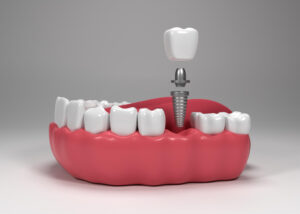
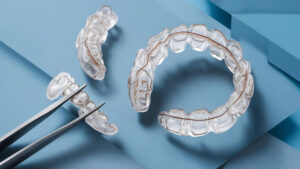
Fortunately, there are many ways to fix the problem of food getting stuck between teeth. Your dentist will suggest the best treatment based on the cause. Some common solutions include:
In addition, your dentist may recommend better oral hygiene habits to prevent future problems.
Tips to Prevent Food Getting Stuck
While dental treatment is important, you can also take steps at home to reduce food impaction. Here are some helpful tips:
Moreover, keeping up with good oral hygiene can help prevent many dental problems.
When to See a Dentist
If food keeps getting stuck between your teeth, it is a good idea to see a dentist. Especially if you notice pain, swelling, or bleeding, do not wait. Early treatment can prevent bigger problems like gum disease or tooth decay. Even if the issue seems small, a dental professional can help find the cause and offer the right solution. For those living in areas with limited dental care, look for clinics or community programs that offer affordable check-ups.
In summary, food getting stuck between your teeth is common but should not be ignored. For lasting relief and healthy teeth, consult your dentist for personalized advice and care.