Dental Implants: Benefits, Procedure, Risks, and Aftercare

Dental Implants: Benefits, Procedure, Risks, and Aftercare

What Are Dental Implants?

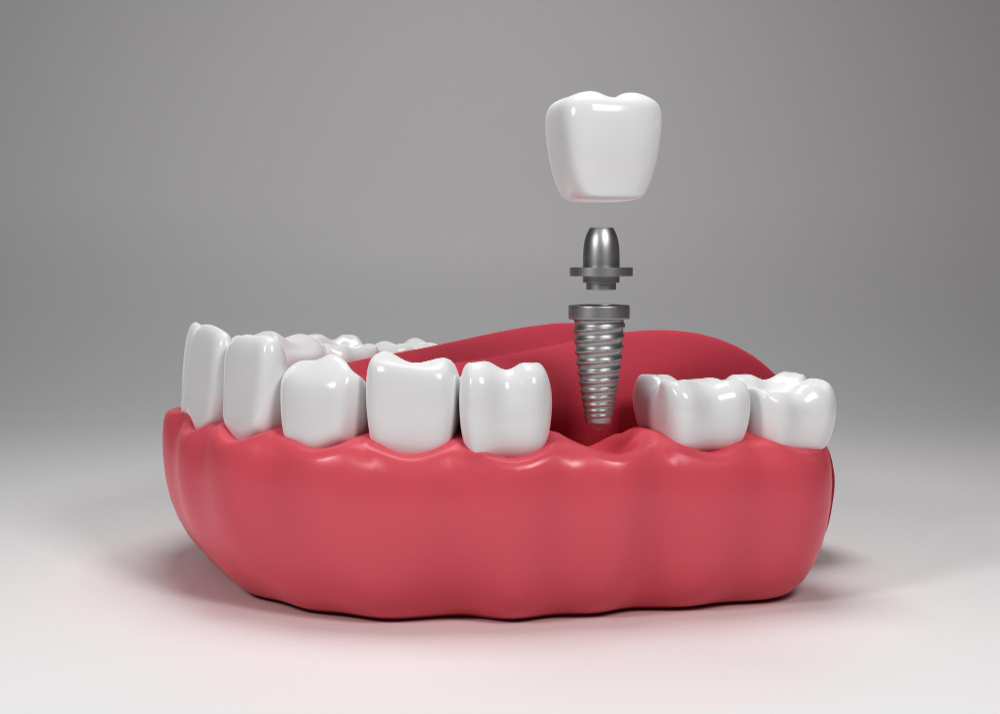
Dental implants are artificial tooth roots. Dentists place them into your jawbone to support replacement teeth. Usually, they are made of titanium. Because dental implants look and feel like real teeth, many people choose them to replace missing teeth. According to the American Dental Association, dental implants are safe and effective for most adults.

Benefits of Dental Implants

Dental implants offer many advantages over other tooth replacement options. For example, they:

  • Look and feel like natural teeth
  • Allow you to eat and speak comfortably
  • Help prevent bone loss in your jaw
  • Do not slip or move like dentures
  • Can last many years with proper care
  • Additionally, dental implants do not require grinding down nearby teeth. This helps keep your other teeth healthy.

    Who Is a Good Candidate?

    Not everyone can get dental implants. However, you may be a good candidate if you:

  • Have one or more missing teeth
  • Have healthy gums
  • Have enough bone in your jaw
  • Do not smoke or are willing to quit
  • Are in good overall health
  • Sometimes, people with certain health conditions may not be suitable. For instance, uncontrolled diabetes or heavy smoking can affect healing. Your dentist will check your health before starting the dental implant procedure.

    The Dental Implant Procedure (Step-by-Step)

    The dental implant procedure usually takes several months. Here is a step-by-step overview:

  • Consultation: First, your dentist examines your mouth and takes X-rays.
  • Planning: Next, a treatment plan is made just for you.
  • Implant Placement: The dentist places the implant into your jawbone. Local anesthesia keeps you comfortable.
  • Healing: Over the next few months, your bone grows around the implant. This process is called osseointegration.
  • Abutment Placement: After healing, a small connector (abutment) is attached to the implant.
  • Crown Placement: Finally, a custom-made crown (artificial tooth) is placed on the abutment.
  • Because healing takes time, the whole dental implant procedure may last three to six months.

    Risks and Possible Complications

    Dental implants are safe for most people. Still, like any surgery, there are risks of dental implants. These may include:

  • Infection at the implant site
  • Injury to nearby teeth or blood vessels
  • Nerve damage causing pain or numbness
  • Sinus problems (for upper jaw implants)
  • Implant failure if the bone does not heal properly
  • However, most problems are rare and can be treated. According to the CDC, following your dentist’s advice lowers your risk.

    Aftercare and Recovery Tips

    Proper dental implant aftercare is important for healing. Here are some tips:

  • Keep your mouth clean by brushing and flossing daily
  • Use a soft toothbrush to avoid irritation
  • Rinse with salt water as your dentist suggests
  • Avoid hard or sticky foods during healing
  • Take any prescribed medicines as directed
  • Attend all follow-up visits
  • Moreover, do not smoke, as it can slow healing and increase the risk of implant failure.

    Prevention of Implant Failure

    Although dental implants have a high success rate, you can take steps to prevent problems. For example:

  • Practice good oral hygiene every day
  • Visit your dentist regularly for check-ups
  • Follow all aftercare instructions
  • Avoid chewing on hard objects like ice or pens
  • Manage health conditions, such as diabetes, with your doctor’s help
  • With proper care, dental implants can last many years or even a lifetime.

    Frequently Asked Questions

  • Are dental implants painful? Most people feel little pain during the dental implant procedure. Local anesthesia is used. Some soreness after surgery is normal but usually mild.
  • How long do dental implants last? With good care, dental implants can last 10 years or longer. Many last a lifetime.
  • Can anyone get dental implants? Not everyone is a candidate. Your dentist will check your health and jawbone before recommending dental implants.
  • How do I care for my dental implants? Brush and floss daily, avoid smoking, and see your dentist for regular check-ups.
  • What if my implant feels loose? Contact your dentist right away. Early treatment can prevent bigger problems.
  • In summary, dental implants are a strong and natural-looking way to replace missing teeth. They offer many benefits and can last for years with proper care. However, it is important to follow your dentist’s advice and practice good oral hygiene. Consult a qualified dentist to find out if dental implants are right for you.
    Share