
Introduction
Many people ask, how long do veneers last? Dental veneers are thin covers placed on teeth to improve their look. They can fix chips, stains, or gaps. Because veneers are an investment, knowing their lifespan is important. After all, you want your smile to last as long as possible. In this guide, you will learn about veneer types, how long they last, and how to care for them. Let’s explore how you can keep your veneers looking great for years.
What Are Dental Veneers?
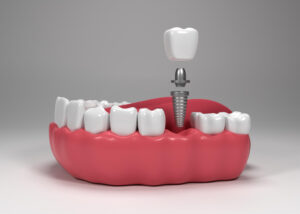
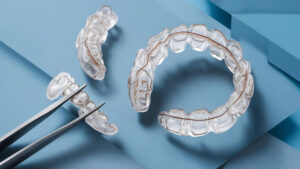
Dental veneers are thin shells made from porcelain or composite resin. Dentists bond them to the front of your teeth. As a result, they can change the color, shape, or size of your teeth. For example, veneers can cover stains that do not go away with whitening. They can also fix small chips or close gaps between teeth. Because veneers look natural, many people choose them for a bright, even smile.
Average Lifespan of Veneers
So, how long do veneers last? On average, porcelain veneers last between 10 and 15 years. In some cases, they can last even longer with good care. Composite veneers usually last 5 to 7 years. However, their lifespan can vary based on how you care for them. According to the American Dental Association, regular dental visits help extend veneer life. Still, all veneers will need replacement at some point.
Factors Affecting Veneer Longevity
Several things can affect how long your veneers last. For instance, the type of veneer matters. But other factors play a role too. Here are some key points:
Because each person is different, your veneers may last longer or shorter than average.
Signs Veneers Need Replacement
Over time, veneers may show signs of wear. Therefore, it is important to watch for these changes:
If you notice any of these signs, you should visit your dentist soon. Early action can prevent bigger problems.
Tips to Make Veneers Last Longer
With the right care, you can help your veneers last as long as possible. Here are some simple tips:
Because good habits matter, following these steps can increase your composite veneers lifespan or porcelain veneer durability.
When to Consult Your Dentist
Even with the best care, veneers may need attention. If you notice changes in how your veneers look or feel, contact your dentist. For example, pain, chips, or loose veneers should not be ignored. Your dentist can check your veneers and suggest the best next steps. Regular visits also help catch problems early, so you can keep your smile healthy.
In summary, dental veneers can last many years with proper care. However, their lifespan depends on several factors. Consult a dental specialist to learn how veneers can work for you.