
Choosing between a tooth filling and a crown can feel confusing. Many people wonder about the difference between tooth filling and crown. Both are common dental restoration options, but they serve different needs. Knowing when to choose a crown or filling helps you make the best decision for your smile. In this blog, we explain tooth filling vs crown, their uses, and how your dentist decides which is right for you.
What Is a Tooth Filling?
A tooth filling is a simple dental treatment. Dentists use fillings to repair small areas of decay or minor damage. First, they remove the decayed part of the tooth. Then, they fill the space with a special material. Common filling materials include:
Usually, fillings work best for small cavities or chips. According to the American Dental Association, fillings help restore the tooth’s shape and function.
What Is a Dental Crown?
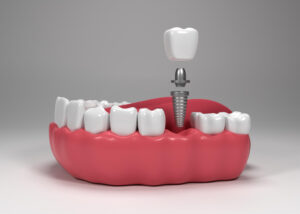
A dental crown is a cap that covers the entire tooth. Dentists use crowns when a tooth is badly damaged or weakened. Crowns can be made from:
Unlike fillings, crowns protect the whole tooth. They restore strength, shape, and appearance. Crowns are often used after root canal treatment or for broken teeth.
Signs You May Need a Tooth Filling
Sometimes, you may notice signs that suggest you need a filling. For example, you might have:
If you catch decay early, a filling can fix the problem quickly. Regular dental check-ups help spot these issues before they get worse.
Signs You May Need a Crown
On the other hand, some problems need more than a filling. You may need a crown if you have:
Because crowns cover the whole tooth, they offer more protection for severe damage.
Key Differences: Tooth Filling vs Crown
It helps to know the main differences between these two dental restoration options. Here are some key points:
While both treatments restore teeth, they serve different needs. Your dentist will explain which is best for you.
How Dentists Decide: Diagnosis and Assessment
First, your dentist will examine your teeth. They may use X-rays to check the extent of damage. Next, they look at the size and location of the problem. If the damage is small, a filling may be enough. However, if the tooth is weak or has a large cavity, a crown is safer. Dentists follow guidelines from trusted sources like the American Dental Association and CDC to make these decisions.
Treatment Process: What to Expect
Tooth Filling
This process usually takes one visit and is quick.
Dental Crown
Getting a crown often takes two visits.
Prevention and Oral Care Tips
Good oral care helps prevent the need for fillings or crowns. For example, you can:
With these habits, you can keep your teeth healthy and avoid major dental work.
In summary, knowing the difference between a tooth filling and a crown helps you make informed choices. Both are important dental restoration options. However, the right treatment depends on your tooth’s condition. Consult your dentist for a personalized assessment and the best treatment for your dental health.