What is a Dental Implant?
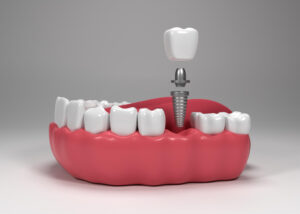
A dental implant is a strong, artificial tooth root. Dentists use it to replace missing teeth. This tooth replacement option looks and feels like a real tooth. During a dental implant procedure, the dentist places a small metal post into your jawbone. Later, a crown, which is the visible part of the tooth, is attached. Because dental implants are secure and long-lasting, many people choose them over other options. In fact, dental implants are one of the most popular ways to restore your smile.
How Does a Dental Implant Work?
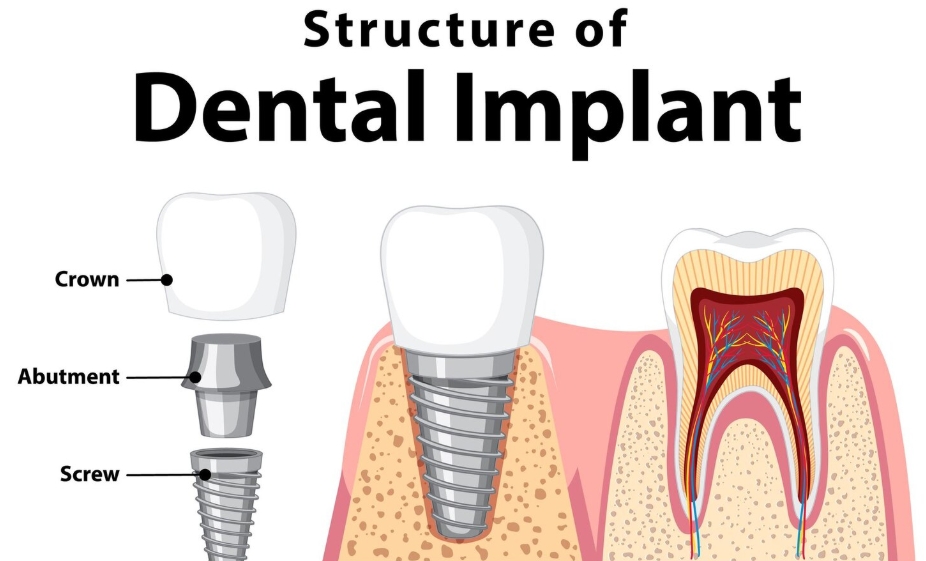
First, the dentist places the implant post into your jawbone. Over time, your bone grows around the post. This process is called osseointegration. As a result, the implant becomes stable and acts like a natural tooth root. After healing, the dentist attaches a connector called an abutment. Then, a custom-made crown is placed on top. This crown matches your other teeth in color and shape. Because of this, your new tooth blends in well with your smile.
Benefits of Dental Implants
Dental implants offer many advantages over other tooth replacement options. For example, they:
Because dental implants are fixed in place, you can brush and floss them like real teeth. In addition, they do not require special cleaning solutions.
Who Can Get a Dental Implant?
Most healthy adults can get a dental implant. However, you need enough bone in your jaw to support the implant. Your dentist will check your mouth and take X-rays. Some people may need extra treatments, such as bone grafting, before getting an implant. You may be a good candidate if you:
Even if you have health problems, talk to your dentist. Sometimes, dental implants are still possible with special care.
What to Expect During the Dental Implant Procedure
First, your dentist will numb the area to keep you comfortable. Next, they place the implant post into your jawbone. After this, you will need to wait a few months for healing. During this time, the bone grows around the implant. Once healed, the dentist adds the abutment and crown. The whole process may take several months, but each step is important for a strong result. Most people feel only mild discomfort, which goes away quickly.
Aftercare and Recovery Tips
Proper care helps your dental implant last longer. Here are some tips:
Because good oral hygiene is important, always keep your mouth clean. If you notice pain or swelling, contact your dentist right away.
Common Questions About Dental Implants
In summary, dental implants are a safe and lasting way to replace missing teeth. They look and feel natural, and they help keep your mouth healthy. If you are thinking about a dental implant, consult a qualified dentist to find out if dental implants are right for you.